
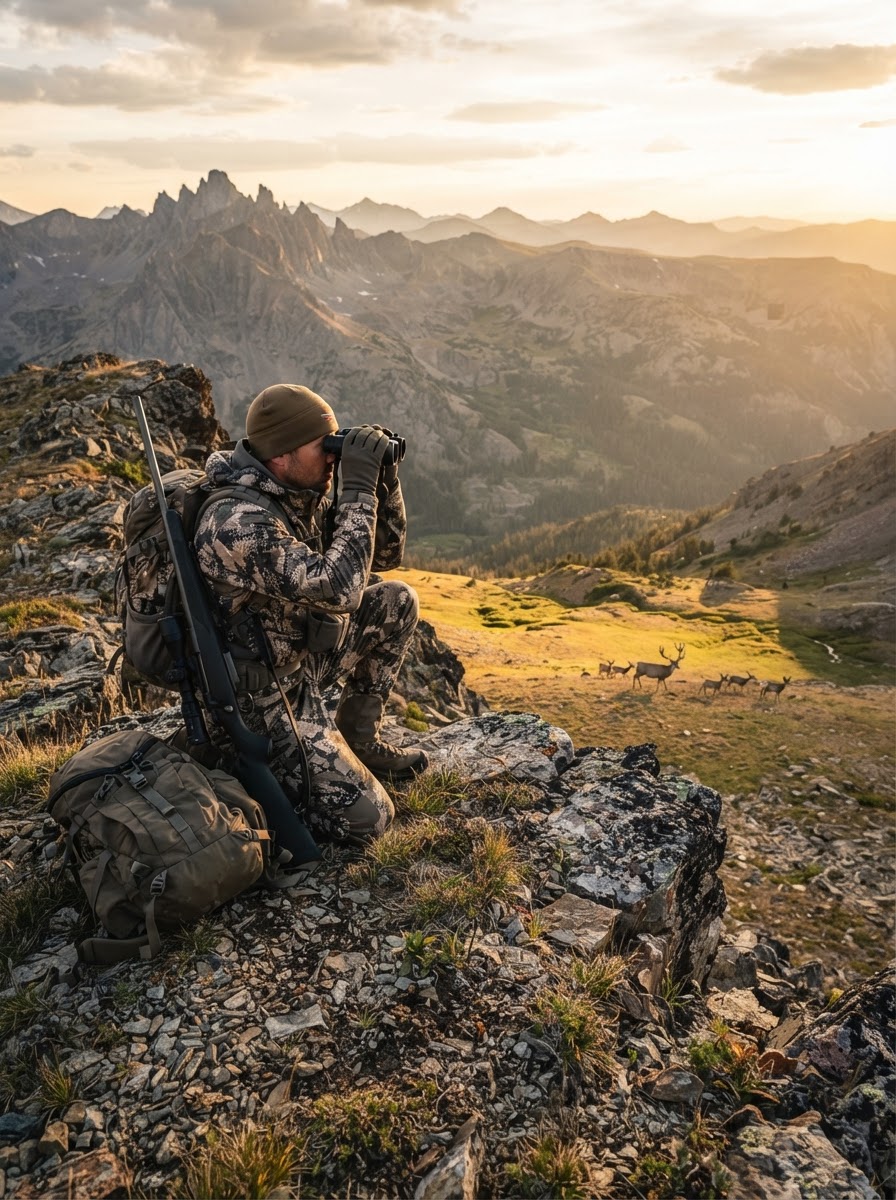
Beginner Hunting Education | Shot Placement | Hunting Ethics
One of the biggest questions I hear from new hunters is: "How do I know when I should take the shot?"
And that's a really important question!
When you're first getting into hunting, there's so much more to think about than simply finding an animal.
You need to understand the animal's position, whether it's legal to harvest, what's behind it, and whether you're actually confident in the shot you're considering.
Because here's something I want every beginner to understand:
Just because you can see an animal doesn't mean you should take the shot.
In one of my earlier Valorie Huntress videos, I walked through different hunting scenarios and explained why I would take certain shots and pass on others.
I also discussed what happens when an animal doesn't go down immediately, how to approach recovery, and why caring for your harvested game is so important.
Let's go through some of those lessons!
1. Knowing When NOT to Shoot Is Just as Important
When I teach beginner hunters, one thing I really want them to understand is that passing on a shot isn't a failure. Sometimes it's the smartest decision you can make.
There are several things you should consider before deciding whether to shoot:
- Is the animal legal to harvest?
- Can you positively identify the species?
- Is the animal standing still or moving?
- Can you clearly see the animal?
- Is there another animal behind it?
- Do you have a safe background?
- Are you confident in your ability to make an accurate shot?
If you're unsure about any of these things, don't rush your decision. You may get another opportunity. And even if you don't, that's part of hunting.
2. Understanding Shot Placement
One of the most important skills hunters need to develop is understanding animal anatomy.
In my original video, I used photographs of deer and elk in different positions to explain why some situations offered a better opportunity than others.
The biggest lesson was understanding that an animal's position changes what you can safely and ethically attempt.
Broadside Animals
A broadside animal is standing sideways, with its body generally perpendicular to your line of sight. This position can make it easier to assess the animal's anatomy and determine whether an ethical shot opportunity exists.
However, a broadside position alone doesn't guarantee a safe shot. You still need to consider the distance, visibility, surrounding terrain, equipment, and your own abilities.
Animals Facing Toward or Away From You
When an animal is facing directly toward you or away from you, assessing the situation becomes more complicated. There may be a greater risk of an ineffective shot or unnecessary injury.
For beginners, I strongly recommend learning animal anatomy through a qualified hunting education course and practicing your judgment before entering the field.
Moving Animals
This is another situation I discussed in the video. When an animal is moving, everything becomes more difficult. It's harder to evaluate its position and make an accurate decision.
If you're a beginner, don't feel pressured to attempt a shot at a moving animal. Waiting for a safer, more controlled opportunity is often the responsible choice.
3. Always Know What's Behind Your Target
One of the examples in my video showed a deer with another deer standing behind it. And that's a major concern.
You should never assume that a projectile will stop inside the animal you're aiming at. It may pass through and continue traveling. That means another animal, person, or object beyond your target could be struck.
This is why one of the fundamental rules of firearm safety is to know your target and what's beyond it. If another animal is directly behind the one you're considering harvesting, don't take the shot. The same principle applies when you can't clearly establish a safe background.
4. Confidence Matters More Than Taking the Opportunity
Here's something I said in my original video that I still stand by:
Never take a shot unless you feel confident in your ability to make it safely and ethically.
That doesn't mean simply hoping you can pull it off. It means understanding your equipment, knowing your limitations, and recognizing when conditions are outside your abilities.
You should be comfortable saying no. Even experienced hunters pass on opportunities. And sometimes, choosing not to shoot is the best hunting decision you'll make all day.
5. What Happens If You Wound an Animal?
This is a difficult subject, but it's something every hunter needs to prepare for. Even with practice and careful decision-making, things don't always go as planned. An animal may be wounded and move out of sight.
When that happens, your responsibility doesn't simply end.
Stay Calm and Observe
In my video, I talked about paying attention to where the animal travels. Try to remember landmarks and the last location where you saw it.
Avoid immediately rushing after a wounded animal without assessing the situation. Pushing an injured animal can sometimes make recovery more difficult. However, recovery decisions depend on the species, conditions, evidence of injury, and local regulations. There isn't one universal waiting period that applies to every situation.
Make a Recovery Plan
If an animal is wounded, prioritize a safe and lawful recovery effort. That may involve:
- Identifying the last known location
- Observing the animal's behavior
- Looking for signs that help determine what happened
- Following applicable tracking and recovery regulations
- Contacting experienced assistance when necessary
Never fire additional shots without a clearly identified target, safe background, and a lawful, ethical opportunity.
6. Using Tracking Dogs to Recover Wounded Game
One of the resources I mentioned in my original video was United Blood Trackers. This organization helps connect hunters with information about tracking wounded game using trained dogs.
Depending on the state, hunters may be able to contact a qualified tracking-dog handler for assistance. However, regulations vary significantly. Some states permit certain types of tracking dogs, while others impose restrictions. Always verify current rules with the appropriate wildlife agency.
You can learn more at: https://www.unitedbloodtrackers.org
The important thing is understanding what recovery options are available before you need them.
7. Is the Animal Legal to Harvest?
Another major topic in my video was understanding whether an animal is actually legal to harvest. And this is something beginners absolutely need to research before hunting season.
Just because an animal has antlers doesn't automatically mean it's legal. Different states, units, and seasons may have restrictions involving:
- Species
- Sex
- Antler characteristics
- Age classifications
- Tag type
- Hunting method
What Is a Spike?
A spike is commonly described as a deer or elk with simple, unbranched antlers. But the legal definition can vary by state and species. Some hunting opportunities specifically allow spike animals. Others have different antler-point restrictions.
What Is a Forky?
A forky is a term commonly used by Western hunters for a buck with forked antlers. For example, a two-point mule deer or blacktail buck may be called a forky. But again, hunting terminology and legal classifications aren't always the same thing.
Always use the official regulations for your hunting area rather than relying on informal terminology.
8. Understanding Turkey Identification
In my original video, I also talked about identifying different turkeys. Specifically, the difference between a tom and a jake.
Tom
A tom is a mature male turkey. Mature toms commonly have a more even-looking tail fan when fully spread.
Jake
A jake is a young male turkey. A jake's tail fan often has longer central feathers, creating an uneven appearance.
These characteristics can be useful when learning turkey identification. However, appearance alone isn't always enough to establish whether a bird is legal to harvest. Check the regulations for the season and location you're hunting.
9. Caring for Your Harvest After Recovery
Once you've successfully recovered an animal, your responsibilities continue. Proper game care is extremely important. And weather plays a major role.
In my original video, I talked about hunting during temperatures in the high 90s. That's a very different situation from recovering an animal during freezing weather.
Hot Weather
Warm temperatures increase the risk of meat spoilage. It's important to begin proper field care promptly, keep the meat clean, and cool it as quickly as practical. The exact process depends on the animal, weather, recovery conditions, and available equipment.
Cold Weather
Cold weather can help slow spoilage, but it doesn't eliminate the need for proper meat care. You still need to consider temperature, cleanliness, transportation, and wildlife activity. There's no single number of hours that guarantees game meat will remain safe under every condition.
That's why it's important to learn proper field dressing, cooling, and transportation methods before your hunt.
10. Be Prepared for Wildlife Encounters
Another subject I brought up was the possibility of encountering predators while recovering game. Depending on where you're hunting, you may be in areas occupied by bears, wolves, or other wildlife.
You should understand which species live in your hunting area and how to respond safely to encounters. Don't assume that carrying an additional hunting tag is an appropriate or legal solution to a predator encounter. Wildlife defense laws and hunting regulations are separate issues, and they vary by location.
Research the area's wildlife safety recommendations before your trip.
11. Practice Before Hunting Season
One thing I emphasized throughout the video was the importance of practice. And I don't just mean practicing at the range. You should also be learning:
- Wildlife identification
- Animal anatomy
- Hunting regulations
- Safe firearm or archery handling
- Ethical decision-making
- Wounded-game recovery
- Proper game care
The more prepared you are, the more confident you'll feel when you encounter a real hunting situation.
Beginner Hunter's Shot-Decision Checklist
Before deciding whether to take a shot, ask yourself:
- Have I positively identified the animal?
- Is this animal legal under my tag and current regulations?
- Can I clearly assess the animal's position?
- Is the target unobstructed?
- Is there a safe background?
- Are other animals or people out of danger?
- Are the conditions within my practiced abilities?
- Am I confident this is an ethical opportunity?
- Am I prepared to recover and care for the animal afterward?
If you can't confidently answer these questions, it's okay to pass.
Watch My Original Video: To Shoot or Not to Shoot
In this Valorie Huntress video, I walk through several hunting photographs and discuss the decisions hunters face when determining whether to take a shot. I also explain my experiences and thoughts about legal animals, wounded-game recovery, and caring for harvested game.
Watch the original video here.
Final Thoughts: Being a Responsible Hunter Means Making Good Decisions
Hunting is about so much more than pulling the trigger or releasing an arrow. It's about preparation, responsibility, patience, and respect for the animal.
Sometimes the right decision is to take the opportunity. Other times, it's to lower your equipment and let the animal walk away. And that's okay.
I want new hunters to understand that you don't have to prove anything by taking a shot you're uncomfortable with. Learn your equipment. Understand the regulations. Practice your skills. And always prioritize safety and ethical hunting decisions.
Continue Learning With Wicked Addiction Wilderness
At Wicked Addiction Wilderness, I teach beginner hunters the knowledge and skills they need to feel more prepared for the field. Our Hunting Academy covers topics including wildlife identification, hunting laws and ethics, shot placement, tracking, and preparing for your hunt.
Explore the Wicked Addiction Wilderness Hunting Academy.
Happy hunting!
Karen Vallauri
Wicked Addiction Wilderness
From the classroom to the wild.