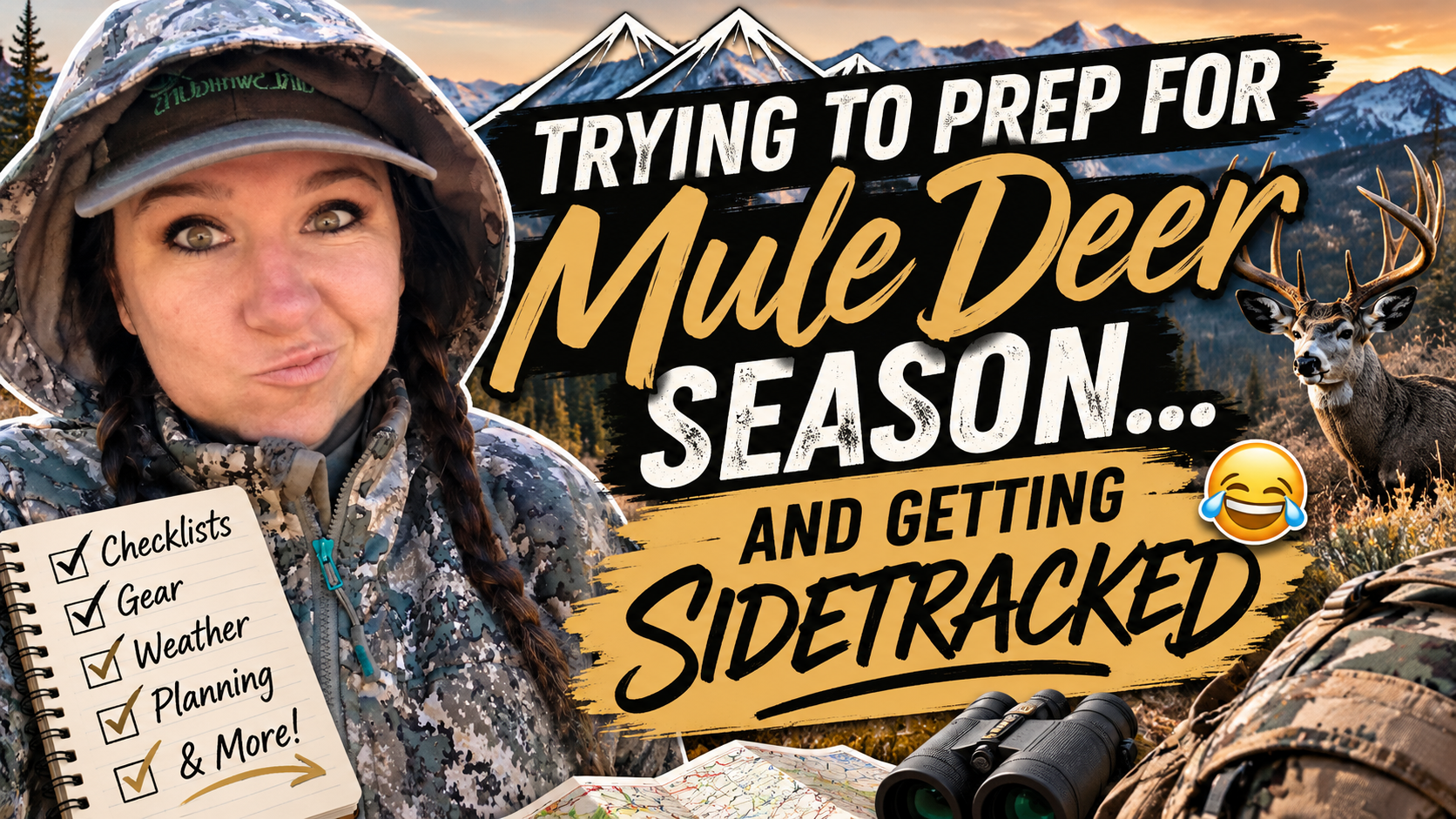
Planning a hunt involves a lot more than packing your rifle and heading into the mountains. Here's how I organize our family's hunting adventures.
If you've ever planned a hunting trip, you already know there's a lot more involved than simply grabbing your hunting gear and heading out the door.
You've got to think about who's going, where you're hunting, what the weather will be like, how you're getting around, where you're sleeping, what gear you need, and about a hundred other little things.
And if you're anything like me, your brain starts running through all of it at once!
Today, I'm taking you behind the scenes of how I plan our family's hunting trips, using an upcoming mule deer hunt near Independence, California, as an example.
This particular hunt is a little different because my dad is the tag holder, and I'm mostly helping with the planning rather than spending the entire hunt in the field.
But that doesn't mean there isn't plenty to do!
1. Start With the Hunt Itself
Before I start pulling gear out of storage, I need to understand what kind of hunt we're preparing for.
For this trip, my dad drew a highly sought-after Goodale mule deer tag in California.
This isn't just another weekend deer hunt. It's a special opportunity that our family may not get again for quite some time.
That makes planning even more important.
Some of the first questions I ask are:
- Who holds the hunting tag?
- What species are we hunting?
- Where is the hunting area?
- What are the season dates?
- Who is going on the trip?
- How long will everyone be staying?
- What kind of terrain are we dealing with?
For this particular hunt, my dad and our hunting buddy Kevin will be there for the main portion of the hunt.
My husband, Cody, and my brother will also be joining them for about a week to help scout and locate deer.
As for me? I'll be making a shorter visit with baby Beau!
We're also visiting my grandmother while we're in the area, so I'll hopefully get to spend a day driving some of the trails, scouting, and enjoying the mountains with my little guy.
The important lesson here is that everyone involved in a hunt may have a different role, and knowing those roles helps determine what equipment and preparation each person needs.
2. Decide What Style of Hunting You'll Be Doing
Not every hunting trip looks the same.
Some hunters backpack deep into the wilderness and carry everything they need on their backs.
Others establish a base camp and venture out from there.
Our family falls into that second category.
We typically set up a base camp, head out each day to scout or hunt, and return to camp in the evening.
Depending on the location, we might use a truck, 4Runner, side-by-side, quad, or dirt bike to access different areas where motorized travel is permitted.
From there, we may park and hike farther into the terrain.
There's no single correct way to approach every hunt.
I've known successful hunters who backpack miles into remote areas, and I've known successful hunters who stay relatively close to established roads.
What matters is understanding the animals, the terrain, your physical abilities, and the regulations for the area.
For this mule deer hunt, we're expecting a combination of driving and hiking. That means we need equipment that works for both situations without carrying unnecessary weight.
3. Plan Your Base Camp
Once we know how we're hunting, it's time to figure out where everyone will be sleeping and what kind of camp we'll need.
Over the years, our family has collected quite a bit of camping equipment. And when I say quite a bit, I mean we probably have too much!
But having different equipment gives us options for different seasons and conditions.
Choosing the Right Shelter
Some of the shelters we have used include:
- Large canvas tents with wood stoves
- Smaller six-person tents with vestibules
- Kodiak-style canvas tents
- One-person backpacking tents
- Vehicle-attached shelters and awnings
- Portable pop-up shelters
For this hunt, I'm planning on having Cody and my brother use our six-person tent.
One thing I've learned is that bigger isn't always better.
During a previous winter hunt, I set up our large canvas tent by myself. It was exhausting, especially in the cold. Later, I switched to my smaller one-person tent and was much more comfortable.
That experience reminded me to choose shelter based on the actual trip rather than simply bringing the biggest tent available.
Base Camp Essentials
Beyond the tent itself, I organize equipment for sleeping and spending time around camp. This includes:
- Sleeping bags appropriate for the expected temperatures
- Sleeping pads or cots
- Pillows and blankets
- Camp chairs and tables
- Ground mats
- Tarps
- Tent stakes and rope
- Cooking equipment
- Food and water
- Lighting and power supplies
The goal is to have a comfortable place to return to after spending the day hunting.
4. Always Prepare for an Unexpected Night Away From Camp
Even though we plan to return to base camp every evening, that doesn't mean everything will always go according to plan.
A vehicle could break down. A road could wash out. Weather conditions could change. Or we might simply find ourselves farther from camp than expected.
That's why I like keeping emergency supplies in our hunting vehicles. Some of those supplies include:
- Emergency shelter
- Extra blankets
- Food and water
- First aid supplies
- Lighting
- Vehicle recovery equipment
The point isn't to carry your entire base camp everywhere you go. It's to make sure you're prepared if something prevents you from returning to camp.
This is especially important when hunting remote areas where help may not be immediately available.
5. Check the Weather Before Choosing Your Gear
Weather is one of the biggest factors in how I prepare for a hunt.
I don't just look at the forecast once and call it good. I check multiple weather sources and continue monitoring conditions as the trip gets closer.
For this hunt near Independence, California, we're preparing for December temperatures. That means potentially comfortable daytime weather but much colder nights.
And because we're hunting near the mountains, elevation can make a big difference.
How Weather Can Affect Animal Movement
One of the things we're watching is snowfall.
In mountainous mule deer country, significant snow accumulation at higher elevations can influence where deer travel and feed. As deep snow makes food harder to access, deer may move toward lower elevations or areas with more accessible forage.
That doesn't mean every snowstorm will automatically push deer into a particular location. But understanding seasonal movement and weather patterns can help hunters make more informed scouting decisions.
How Weather Affects Your Equipment
Weather also determines what gear we pack. For example:
- Cold nights require appropriate sleeping bags and insulation.
- Rain or snow requires waterproof layers.
- Windy conditions may require additional shelter.
- Warm afternoons may call for lighter clothing.
- Changing conditions make layering especially important.
One thing I always recommend is preparing for the weather you might encounter, not just the weather you're hoping for.
6. Organize Your Hunting Gear With a Master Checklist
This is where my organizational side really comes out.
I've been working on creating a master gear checklist that I can use for different types of hunts. Instead of writing a brand-new packing list every single time, I want one master list that includes the equipment we own. Then I can select what we need based on the trip.
How I Organize My Checklist
I separate equipment into several categories.
- Base Camp: Tents, shelters, sleeping equipment, cooking supplies, and camp furniture.
- Vehicle Gear: Recovery equipment, tools, emergency supplies, and anything that stays in the rig.
- Clothing: Base layers, insulation, rain gear, boots, and accessories.
- Hunting Backpack: Binoculars, rangefinder, knives, first aid supplies, and other field essentials.
- Hunting Equipment: Firearms or archery equipment, appropriate ammunition or arrows, and other hunt-specific accessories.
I also like keeping track of which season an item works best for, the weather conditions it's designed for, and any maintenance it needs.
For example, one of our canvas tents has a rip that still needs to be repaired. Having that written down means I can identify the problem before we're standing in the middle of camp trying to set everything up.
At least, that's the goal!
7. Plan Your Camp Kitchen and Food
Food is another important part of planning a hunt.
Some hunters prefer freeze-dried meals or simple food they can prepare quickly. Our family usually takes a different approach.
We love having home-cooked meals at base camp. And luckily for us, Kevin is a fantastic cook!
When I'm planning food, I think about:
- How many people are coming
- How many days they'll be staying
- What meals we'll prepare at camp
- What food we'll take into the field
- How we'll store everything
- What cooking equipment we'll need
You don't have to cook elaborate meals every night. But having a food plan makes life much easier when everyone comes back to camp tired and hungry.
And personally, after growing up eating squished peanut butter and jelly sandwiches on hunting trips, I'm perfectly happy having something different!
8. Prepare Your Vehicle Before the Hunt
This is one of those things that can easily get overlooked.
Your vehicle is part of your hunting equipment, especially when you're traveling through remote areas.
Before heading out, I like to check:
- Tires and spare tire
- Oil and other fluids
- Brakes
- Battery
- Windshield condition
- Vehicle recovery equipment
- Tire repair supplies
For this particular hunt, I already know my 4Runner needs some attention. I need new tires, a windshield replacement, and an oil change.
It's much better to deal with those problems before leaving than to discover them while driving down a rough mountain road.
The same goes for side-by-sides, quads, and other off-road vehicles. If you don't have the time or knowledge to service your equipment yourself, schedule an appointment before the trip.
Don't wait until the last minute!
9. Choose Clothing Based on Layers
One of my biggest recommendations for hunting clothing is to dress in layers.
Don't assume that one heavy jacket will be enough for every situation.
During this mule deer hunt, we may experience cold mornings, warmer afternoons, and long periods of sitting while glassing. That means our clothing needs to handle different activity levels and temperatures.
For women's hunting clothing, I've been a longtime fan of Girls With Guns Clothing. For the guys, Cody and my brother often wear King's Camo. Both offer options that can work as part of a layered hunting system.
Don't Forget Your Boots
Boots are another important consideration.
Here in Northern California, our regular deer season can be extremely hot. The boots I wear during those hunts aren't necessarily what I'd choose for a December mountain hunt.
For colder weather, I want footwear that provides enough insulation for sitting and glassing while still being comfortable for hiking.
The goal is to match your boots to the terrain, temperature, and amount of walking you'll be doing.
10. Keep Your Gear Organized With Storage Boxes
One of my favorite ways to organize hunting equipment is by using hard-sided storage boxes, like Plano boxes.
I separate equipment into categories so I don't have to dig through one giant pile every time I need something. For example, I might have one box for camp supplies, another for cooking equipment, and another for hunting accessories.
My hunting gear box might include:
- Binoculars
- Rangefinder
- Pocketknife
- Other small field accessories
That box can stay in the vehicle, making it easy to access equipment when needed.
I also like having my base camp gear separate from the items that travel with us throughout the day. It makes packing, unpacking, and finding things much easier.
And when you're dealing with as much gear as our family has collected over the years, organization makes a huge difference!
My Hunting Trip Planning Checklist
Before heading out on your next hunting adventure, here are the main things I'd recommend reviewing.
Hunt Details
- Confirm season dates and regulations
- Verify licenses and tags
- Identify who's attending and their roles
- Review the hunting area and access
Weather and Terrain
- Check multiple weather forecasts
- Review expected temperatures
- Consider snow, rain, and road conditions
- Plan for the terrain and elevation
Base Camp
- Choose the appropriate shelter
- Pack sleeping equipment
- Organize food and cooking supplies
- Prepare lighting and power
- Pack emergency supplies
Vehicle
- Complete necessary maintenance
- Check tires and spare
- Pack recovery equipment
- Prepare for unexpected overnight delays
Personal and Hunting Gear
- Pack appropriate clothing layers
- Choose boots for the conditions
- Prepare your hunting backpack
- Check optics and accessories
- Inspect hunting equipment
- Confirm ammunition or archery equipment
Watch the Full Hunt Planning Video
Want to see how I actually work through this process? In my original video, I sit down and walk through the planning for our family's Goodale mule deer hunt, including our camping setup, weather considerations, gear organization, and everything else running through my head.
It's a more relaxed, behind-the-scenes look at what goes into getting ready for a hunting trip.
Watch the full video on the Wicked Addiction Wilderness YouTube channel.
Final Thoughts: Every Hunt Is Different
If there's one thing I've learned from years of hunting, it's that no two trips are exactly alike.
What works for a desert bighorn sheep hunt might not work for a December mule deer hunt. The equipment you need for a base camp hunt will be different from what you need for a backpacking trip.
And the way you prepare will change depending on your terrain, weather, hunting method, and the people going with you.
That's why I believe planning is such an important part of becoming a confident hunter.
You don't need to own every piece of equipment on the market. You just need to understand what your particular hunt requires and prepare accordingly.
Want to Learn More About Planning Your Own Hunt?
At Wicked Addiction Wilderness, my goal is to help hunters build the knowledge and confidence to get out into the field.
Through the Hunting Academy, we cover everything from understanding wildlife and scouting to selecting gear and planning your hunting adventures.
Whether you're completely new to hunting or looking to improve your skills, there's always something new to learn.
Explore the Wicked Addiction Wilderness Hunting Academy.
Happy hunting!
Karen Vallauri
Wicked Addiction Wilderness
From the classroom to the wild.