Camping Tips | Desert Adventures | Off-Roading | Outdoor Gear
Getting ready for a camping trip is exciting, but figuring out what to bring can be a whole project by itself! Especially when you're packing for more than just sitting around camp.
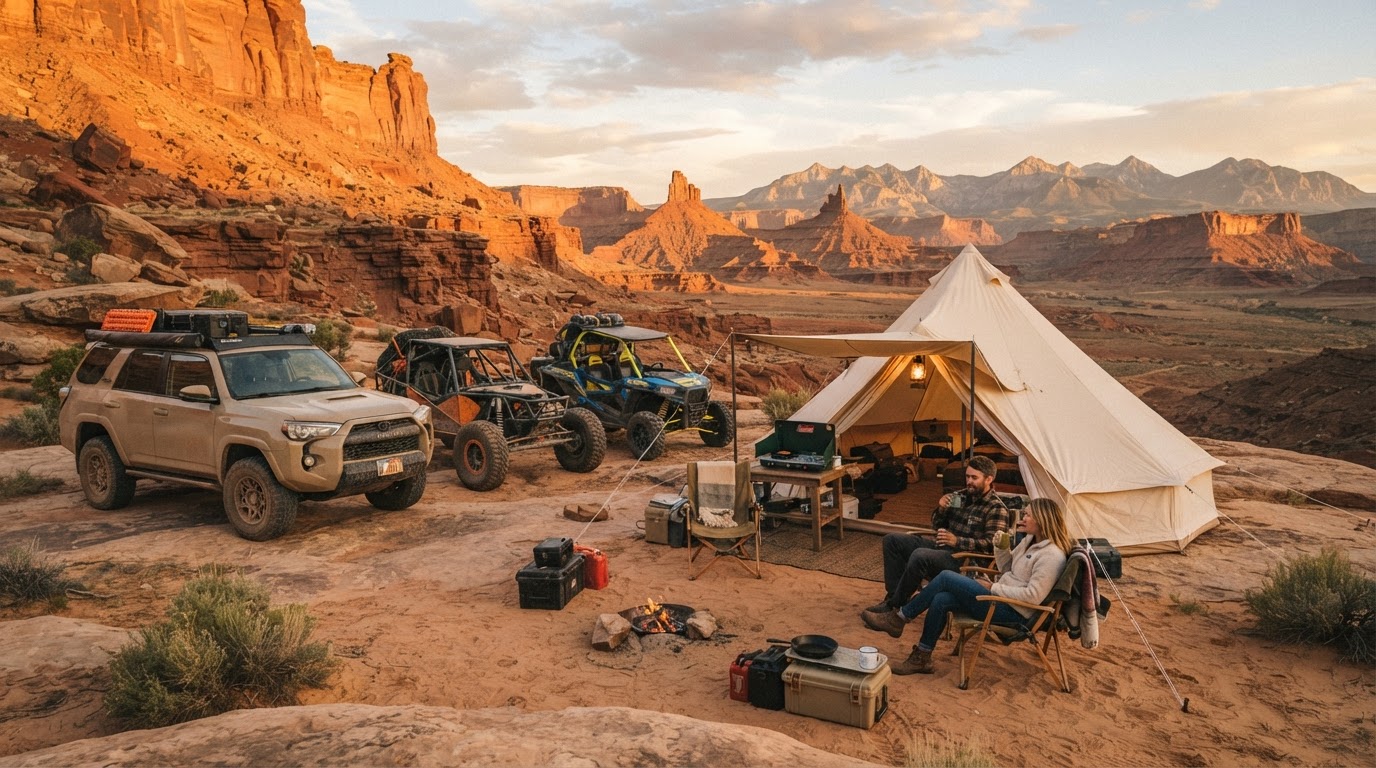
In this video, Cody and I were getting ready to head out into the desert with his family for a weekend of camping and riding our buggies.
And because I apparently can't go anywhere without finding something else to do, I was also planning a photo shoot for my old Valorie Huntress channel. So naturally, I had camping equipment, off-roading gear, camera equipment, hunting gear, and enough snacks to keep everybody happy.
But here's the thing. A lot of the equipment I packed for this desert trip is the same equipment I use for regular camping trips and hunting base camps.
I wanted to share what I packed, how I organized everything, and one of my favorite camping systems: our year-round camp box.
1. Start With Your Sleeping Setup
The first things I pack are the basics.
For this particular trip, Cody and I were bringing:
- Our sleeping bags
- Our tent
- A queen-size air mattress
- Extra blankets
- An air mattress pump
We were using a Cabela's Alaskan Guide tent, which I believe was the three-person version. We absolutely loved that tent!
Because we were heading into the desert, I wasn't expecting extremely cold temperatures, so we planned to bring our lighter sleeping bags and extra blankets if needed.
Of course, desert temperatures can change dramatically between daytime and nighttime, so it's important to check the forecast before deciding which sleeping equipment to bring.
My Missing Items List
Here's a packing trick I've used for years. Whenever I'm getting ready for a trip, I keep a separate list labeled:
MISSING
If I can't find something, it goes on that list. For example, while packing for this trip, I couldn't find the pump for our air mattress. Instead of forgetting about it, I added it to my missing list. That way, I knew I either needed to keep looking for it or buy another one before leaving.
It's such a simple system, but it saves me from forgetting those random little things that can make a big difference at camp.
2. Water, Snacks, and Maps
Next up were the supplies we would need while traveling and spending time outdoors. For this trip, I packed two 24-packs of bottled water, some flavored drinks, and a whole bunch of snacks.
I also had maps of the area where we were going. Even when you're traveling with family or people who know the area, having maps available is important. Especially when you're heading into remote desert terrain.
Don't Underestimate Desert Conditions
When planning a desert trip, make sure you bring enough drinking water for everyone, including extra emergency water. You should also consider:
- How long you'll be away
- Expected temperatures
- Physical activity
- Distance from services
- Emergency delays
- Water needed for cooking
A good desert trip requires more planning than simply throwing a couple of water bottles in the truck.
3. My Clothing and Personal Gear
Because I was planning a photo shoot during the trip, I had a little more clothing than I would normally bring. Some of my personal gear included:
- Hunting and camouflage clothing
- Everyday camping clothes
- Hair scrunchies
- Tank tops
- Sunscreen
- Personal care items
- Makeup and jewelry for photos
- Extra chargers
I also brought a couple of my favorite tools.
Leatherman Multitool
I've always loved having a Leatherman with me. It's one of those things that comes in handy for all kinds of little jobs around camp.
Gerber Pocket Knife
I also packed my Gerber pocket knife. Between camping, hunting, and spending time outdoors, I like having a reliable everyday tool available.
4. What I Bring for Riding in the Buggies
Since this was an off-roading trip, I needed to pack a few things specifically for riding. One of the biggest items was eye protection. I packed two different sets of goggles:
- Daytime goggles
- Nighttime goggles
When you're riding in a buggy, dust, dirt, and debris can become a problem pretty quickly. Proper eye protection makes a huge difference. And depending on the vehicle and conditions, you also need appropriate helmets, restraints, protective clothing, and other safety equipment.
My Short-Girl Problem
Here's a funny little detail from the original video. I'm short. And in Cody's buggy, the seats were bolted into place. That meant I couldn't just slide the seat forward when it was my turn to drive.
At the time, I showed a piece of foam I used to help with my seating position. Looking back, this is one of those things where proper vehicle setup really matters. If you can't comfortably reach the pedals and controls while using the restraints correctly, the safest solution is an appropriate seat or pedal adjustment designed for that vehicle. You should never compromise your seat belt, harness, or driving position just to make yourself reach.
5. My Hunting Pack and First Aid Kit
Even though we weren't going hunting on this trip, I still brought some of my hunting equipment. Why? Because I like looking for wildlife!
I packed my binoculars and spotting scope because I knew there might be antelope out in the area. And just because I'm not hunting doesn't mean I don't want to watch animals. I also brought my hunting backpack for the photo shoot.
Moving My First Aid Kit
One thing I did while packing was move my first aid supplies from my hunting pack into the backpack we would take with us in the buggies. That way, the first aid kit would actually be with us while we were out riding.
And that's an important detail. It doesn't do you much good to have your emergency supplies sitting back at camp when you're miles away. For off-roading trips, make sure your first aid kit is accessible and appropriate for the activities you're doing.
6. Testing Freeze-Dried Camping Meals
One thing I was really excited about on this trip was testing different freeze-dried meals. We were preparing for another hunting trip with my dad, and I wanted to figure out which meals I actually liked before taking them hunting.
Because let's be real. You don't want to get out into the backcountry and discover that the food you packed tastes terrible!
Mountain House Meals I Was Considering
- Biscuits and Gravy
- Lasagna with Meat Sauce
- Beef Stroganoff with Noodles
- Classic Spaghetti with Meat Sauce
- Rice and Chicken
Peak Refuel Meals I Was Considering
- Homestyle Rice and Chicken
- Three Bean Chili Mac
- Chicken Pesto Pasta
- Beef Stroganoff
I was planning to bring a few of these meals along to test while we were out in the desert.
Why I Like Testing Camping Food Ahead of Time
Freeze-dried meals can be convenient for camping and hunting because they're lightweight and relatively easy to prepare. But different meals have different flavors, portions, and preparation requirements. I like testing them ahead of time so I know what works for me. Especially when I'm planning a longer hunting trip.
7. Our Regular Camp Meals
Even though I brought freeze-dried meals, we weren't relying on those for everything. Since we were camping with family, we were also planning regular meals. Our general food plan included:
Breakfast: Eggs and bacon.
Lunch: Sandwiches, snacks, and possibly freeze-dried meals.
Dinner: Larger family meals, including things like spaghetti.
One of the things I love about camping with family is being able to cook together and enjoy a good meal after spending the day outside.
8. My Jetboil Cooking System
Another piece of equipment I showed in the video was my Jetboil. I loved that little cooking system! One of my favorite things about it was how compact everything was. The fuel canister could fit inside the cooking system for storage, making it easier to pack.
It's especially convenient when you're preparing meals that just need hot water. I was planning to take it out during our desert trip and possibly film some camping food reviews.
For any camp stove, remember to follow the manufacturer's instructions and only operate it in an appropriately ventilated outdoor location.
9. My Extra Drinks and Supplements
In the original video, I also showed some of the Mountain Ops products I was using at the time. These included protein shakes, energy products, electrolytes, vitamins, and other supplements.
I liked bringing some of those products because they were easy to pack and fit into my routine back then. I also mentioned trying a product marketed for high-altitude performance because I'd previously experienced altitude sickness.
One important clarification today: supplements shouldn't be relied on to prevent or treat altitude sickness. Proper acclimatization, recognizing symptoms, and having a safe plan for altitude exposure are much more important. The products shown in the video reflect what I was personally using at that time, not a required camping packing list.
10. Our Year-Round Camping Box
Now this is probably my favorite part of the whole video. Our camp box!
Cody and I had a large camping storage box that we kept packed throughout the year. Instead of unpacking everything after each trip, we left most of our regular camping supplies inside. That way, when we wanted to go camping, we weren't starting from scratch every single time.
And because we live in Northern California, where wildfire season is a serious concern, keeping our camping supplies organized also gave us a way to grab useful equipment quickly if we ever needed to evacuate.
How We Stored It
We kept the camp box in the garage on a rolling platform. That made it easier to move around and load into the truck. Our tent and sleeping bags were also stored nearby. So when it was time to go camping, we could grab the supplies without searching through the entire garage.
I still think having a designated camping storage system is one of the easiest ways to stay organized.
What's Inside Our Camping Box?
Here's what I showed in the original video.
Cooking Equipment
- Coleman two-burner camp stove
- Propane canisters
- Pots and pans
- Cooking utensils
- Knives
- Knife sharpener
- Cutting boards
- Water boiler
- Lighters
Eating and Food Preparation
- Plates
- Bowls
- Cups
- Forks and spoons
- Strainers
- Food storage bags
- Table covering
- Tablecloth clips
- Food covers to keep insects away
Cleaning Supplies
- Dishwashing containers
- Dish soap
- Towels
- Paper towels
- Cleaning supplies
- Laundry bag
- Trash and storage bags
Camping and Emergency Supplies
- First aid supplies
- Shovel
- Lantern
- Flashlights
- Glow sticks
- Ponchos
- Bug spray
- Extra soap and personal cleaning supplies
The nice thing about having everything in one place is that we could easily see what needed to be restocked. If we used something during a trip, we could replace it before the next one.
11. Why I Like Keeping Camping Gear Ready Year-Round
This is something that goes beyond camping. Living in Northern California means wildfire preparedness is something we have to think about.
In the original video, I explained that we kept our camping supplies together so we could load them quickly if we ever needed to leave. A camping box isn't a replacement for a dedicated emergency evacuation kit, but having organized outdoor supplies can be helpful.
For actual evacuation planning, important documents, medications, essential personal items, pet supplies, and emergency necessities should also be prepared separately.
The biggest lesson is simple:
The more organized you are before an emergency, the less you have to figure out during one.
My Desert Camping Packing Checklist
Here's a simplified checklist based on what I packed for that trip.
Sleeping and Shelter
- Tent
- Sleeping bags
- Extra blankets
- Air mattress or sleeping pad
- Air pump
- Tent accessories
Food and Water
- Drinking water and emergency reserves
- Snacks
- Breakfast supplies
- Lunch supplies
- Dinner ingredients
- Freeze-dried meals
- Cooler and food storage
- Camp stove and fuel
- Cooking utensils
Clothing and Personal Items
- Weather-appropriate clothing
- Extra layers
- Comfortable footwear
- Sunscreen
- Hat
- Toiletries
- Personal medications
- Chargers
Off-Roading and Outdoor Gear
- Proper helmet and protective gear
- Daytime and nighttime goggles
- Maps or downloaded navigation
- Binoculars
- Spotting scope
- First aid kit
- Flashlights
- Emergency communication equipment
- Vehicle recovery and repair supplies
Camping Box
- Cooking equipment
- Plates and utensils
- Dishwashing supplies
- Paper towels
- Trash bags
- Lanterns
- Bug spray
- Extra emergency supplies
And don't forget to keep your own MISSING list while you're packing!
Watch My Original Desert Camping Video
Want to see what I actually packed? In this older Valorie Huntress video, I walk through our camping equipment, food choices, off-roading supplies, and the big camp box Cody and I kept ready throughout the year. You'll also get a little behind-the-scenes look at how I prepared for one of our family desert buggy trips.
Watch the original video here.
Final Thoughts: Make Camping Easier by Staying Organized
Camping doesn't have to mean spending days searching for equipment and wondering what you've forgotten. Having a designated camp box, keeping a packing checklist, and organizing your supplies ahead of time can make getting ready for a trip so much easier.
Whether you're heading to the desert with your family, camping at the lake, or setting up a hunting base camp, a lot of the same equipment and planning habits apply. And remember, your camping setup doesn't have to look exactly like mine. Figure out what works for you, your family, and the adventures you enjoy.
More Outdoor Education From Wicked Addiction Wilderness
At Wicked Addiction Wilderness, I love helping people build the skills and confidence to enjoy the outdoors. From camping and hunting preparation to outdoor safety and wilderness education, there's always something new to learn. If you're interested in learning how to plan your next hunting trip, check out the Wicked Addiction Wilderness Hunting Academy.
Explore the Wicked Addiction Wilderness Hunting Academy.
Happy camping!
Karen Vallauri
Wicked Addiction Wilderness
From the classroom to the wild.